
Who is Portugal playing 11 for the World Cup 2026? This question has been buzzing among football fans worldwide ever since Portugal announced their squad in mid-May 2026. With the tournament kicking off in North America, Roberto Martínez’s side looks stacked with talent, blending legendary experience and youthful dynamism. Cristiano Ronaldo’s presence for a record sixth World Cup adds massive intrigue, but the real story lies in how this team will line up on the pitch.
Estadio Azteca Mexico City World Cup 2026:
As someone who’s followed Portuguese football for years, I can tell you this squad feels different. It’s not just about one superstar anymore. The depth in midfield and defense gives them genuine title credentials, something that’s been missing despite their Euro 2016 triumph. Let’s dive deep into the players likely to feature, the tactics, and what we can expect when they step onto the field in Canada, Mexico, and the United States.
Portugal’s Road to 2026 and Squad Announcement
Portugal topped their UEFA qualifying group comfortably, showcasing the blend of solidity and flair that defines them. They secured direct qualification with strong performances, including convincing wins that highlighted their attacking potency. On May 19, 2026, coach Roberto Martínez revealed a provisional 27-man squad (to be trimmed to 26), confirming Cristiano Ronaldo would lead the line at age 41.
Who is Portugal playing 11 for the World Cup 2026? Fans immediately began speculating about the starting lineup. The squad announcement sparked debates across social media and forums—would youth prevail, or would veterans anchor the team? Martínez has favored a balanced approach, relying on proven performers from top European clubs while integrating emerging stars.
The full squad includes:
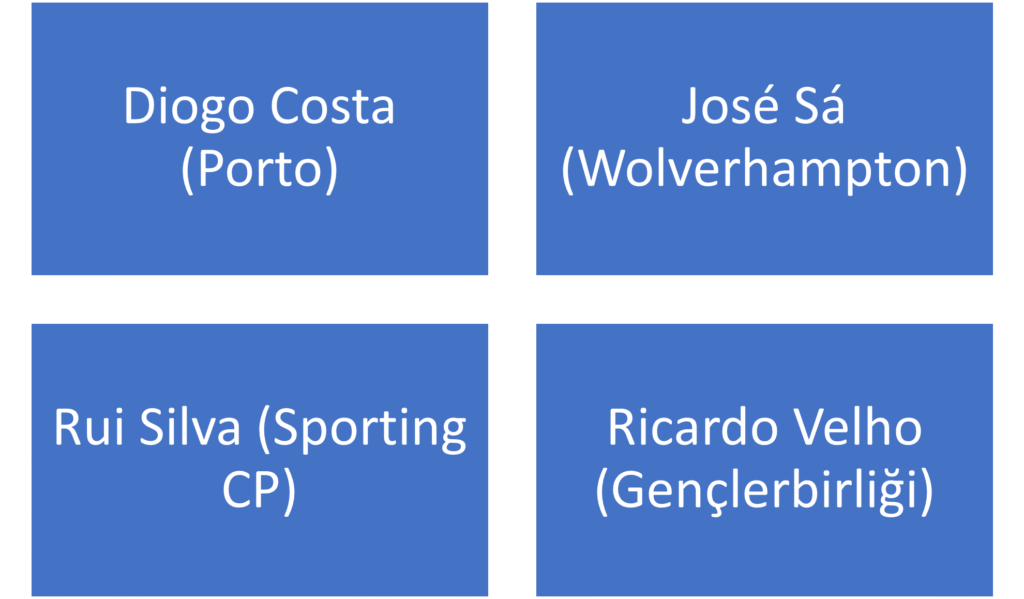
Goalkeepers: Diogo Costa (Porto), José Sá (Wolverhampton), Rui Silva (Sporting CP), Ricardo Velho (Gençlerbirliği). Defenders: Rúben Dias (Man City), Gonçalo Inácio (Sporting), João Cancelo (Barcelona), Nuno Mendes (PSG), Diogo Dalot (Man Utd), Nélson Semedo (Fenerbahçe), Tomás Araújo (Benfica), Renato Veiga (Villarreal), Matheus Nunes (Man City). Midfielders: Vitinha (PSG), João Neves (PSG), Bruno Fernandes (Man Utd), Rúben Neves (Al Hilal), Matheus Nunes, Samú Costa (Mallorca), Bernardo Silva (Man City). Forwards: Cristiano Ronaldo (Al Nassr), João Félix (Al Nassr), Francisco Conceição (Juventus), Rafael Leão (AC Milan), Pedro Neto (Chelsea), Gonçalo Ramos (PSG), Francisco Trincão (Sporting), Gonçalo Guedes (Real Sociedad).
This list reflects a mix of experience and current form. Notable absences, like João Palhinha, suggest Martínez prioritized squad harmony over certain profiles.
Goalkeepers: Solid Foundations
Diogo Costa stands out as the clear first-choice. At 26, the Porto shot-stopper has matured into one of Europe’s most reliable keepers. His distribution and command of the box make him ideal for a possession-based side. José Sá provides reliable backup, while Rui Silva and the younger Ricardo Velho offer depth.
Costa’s performances in recent qualifiers and club matches have solidified his position. He rarely makes headlines for the wrong reasons, which is exactly what you want from your last line of defense in a high-stakes tournament.
Defensive Unit: Rock-Solid Core
The backline features world-class talent. Rúben Dias remains the leader—his reading of the game and leadership at Manchester City translate perfectly to international level. Gonçalo Inácio partners him effectively, offering left-footed balance and progressive passing.
On the flanks, Nuno Mendes brings explosive pace and attacking threat from left-back. João Cancelo or Diogo Dalot can slot in on the right, with Matheus Nunes providing versatile cover. This flexibility allows Martínez to adapt formations mid-game.
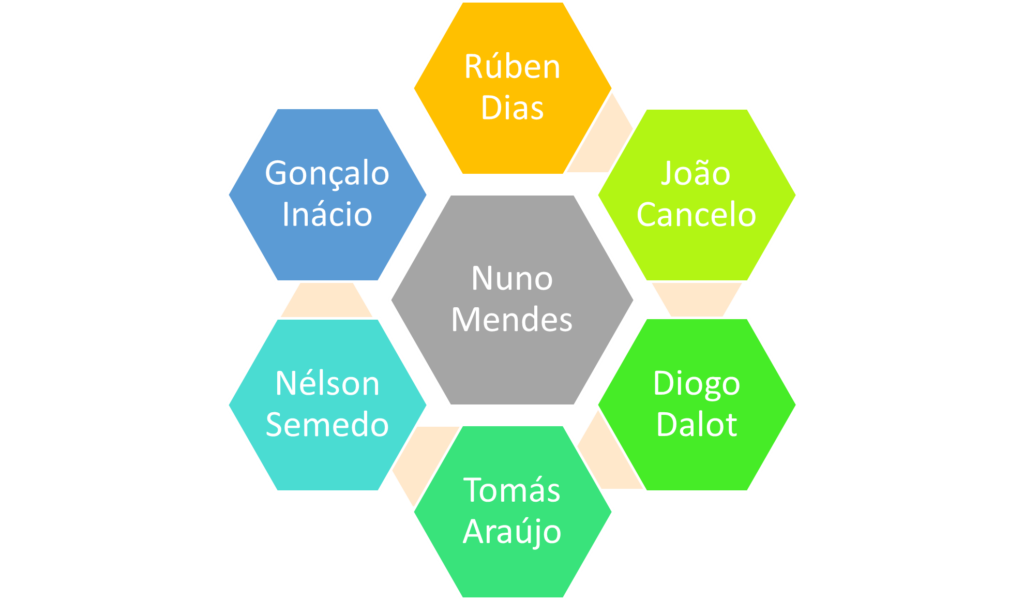
Who is Portugal playing 11 for the World Cup 2026? Many experts point to a back four of Nunes/Dalot, Dias, Inácio, and Mendes as the most balanced option. Their ability to build from the back will be crucial against compact defenses. The depth here means injuries won’t derail the campaign easily, a big upgrade from previous tournaments.
Midfield Magic: The Engine Room
This is where Portugal truly shines. The central midfield features an embarrassment of riches. Vitinha from PSG controls tempo with elegance and vision. João Neves, his club teammate, adds youthful energy and tenacity. Bruno Fernandes brings creativity and goal threat from deeper positions—his vision and set-piece delivery remain world-class.
Bernardo Silva offers technical brilliance and work rate, while Rúben Neves provides long-range threat and experience. This group can dominate games through possession and quick transitions. Martínez often deploys a fluid 4-3-3 or 4-2-3-1, allowing these players to interchange positions seamlessly.
The synergy between Vitinha and Neves has been particularly impressive in recent outings. They shield the defense while feeding the attackers with precise passes. Bruno Fernandes acts as the creative hub, often drifting into pockets of space to unlock stubborn opponents.
Who is Portugal playing 11 for the World Cup 2026? The midfield trio of Vitinha, João Neves, and Bruno Fernandes frequently appears in predictions, giving the team balance between defense and attack.
Attack: Firepower Galore
Up front, Cristiano Ronaldo’s inclusion dominates discussions. At 41, he’s still scoring regularly for Al Nassr and brings unmatched mentality and leadership. While his pace has diminished, his positioning, aerial ability, and penalty-taking remain potent. This could be his farewell tournament, and he’ll be motivated to add to his legacy.
Supporting him are explosive wingers like Rafael Leão and Pedro Neto, whose pace can terrorize full-backs. Francisco Conceição adds directness and dribbling flair. João Félix offers creativity and finishing, while Gonçalo Ramos provides a strong focal point if Ronaldo needs resting.
The attacking options allow for high pressing and rapid counter-attacks. Leão’s dribbling combined with Ronaldo’s movement creates constant threats. Younger players like Conceição have stepped up impressively in recent matches, showing they’re ready for the big stage.
Who is Portugal playing 11 for the World Cup 2026? A common predicted lineup features Ronaldo leading the line, supported by Leão and Conceição on the wings, with Fernandes pulling strings behind.
Predicted Starting XI and Tactical Approach
Who is Portugal playing 11 for the World Cup 2026? Based on recent form and expert consensus, a likely starting eleven in a 4-3-3 could be: Diogo Costa in goal; Matheus Nunes, Rúben Dias, Gonçalo Inácio, Nuno Mendes in defense; Vitinha, João Neves, Bruno Fernandes in midfield; Rafael Leão, Francisco Conceição, Cristiano Ronaldo in attack.
This setup emphasizes width, central control, and clinical finishing. Martínez’s tactics focus on high pressing, quick ball recovery, and exploiting spaces behind defenses. Portugal can switch to a more compact shape when needed, relying on the technical quality of their players to maintain possession.
Who is Portugal playing 11 for the World Cup 2026? Variations might see Bernardo Silva starting instead of Conceição for better control, or Pedro Neto providing fresh legs on the right. The coach’s ability to rotate without dropping quality is a major strength.
Who is Portugal playing 11 for the World Cup 2026? Ultimately, the exact lineup will depend on opponent scouting and fitness levels, but the core remains consistent across predictions.
Strengths, Challenges, and Tournament Outlook
Portugal’s greatest strength is squad depth. Unlike teams reliant on one or two stars, they have multiple solutions for every position. The midfield dominance allows them to control matches, while the attack can score from various avenues. Defensively, they’re organized and difficult to break down.
Challenges include Ronaldo’s age and integration. Some analysts question whether his presence limits fluid attacking play, preferring younger forwards. Managing egos in such a talented group also requires careful handling. Fitness of key players like Mendes and the adaptation to different climates in North America will matter.
Who is Portugal playing 11 for the World Cup 2026? Expectations are high—they’re drawn in a favorable group with DR Congo, Colombia, and Uzbekistan, giving them a strong chance to top it. A deep run into the knockout stages, potentially reaching semifinals or beyond, seems realistic given their quality.
The blend of Ronaldo’s experience with the hunger of players like Leão, Neves, and Vitinha creates a special dynamic. Portugal has come close before; this might be their moment.
Who is Portugal playing 11 for the World Cup 2026? As the tournament approaches, this question will dominate discussions. Fans hope for a cohesive unit that maximizes its potential.
15 FAQs About Portugal’s World Cup 2026 Campaign
1. Who is Portugal playing 11 for the World Cup 2026? The most likely starting eleven features Diogo Costa; Nunes/Dalot, Dias, Inácio, Mendes; Vitinha, João Neves, Bruno Fernandes; Leão, Conceição, Ronaldo, though rotations are expected.
2. Will Cristiano Ronaldo start every match? Not necessarily. At 41, he’ll likely start key games but Martínez may manage his minutes with strong replacements available.
3. Who is Portugal’s first-choice goalkeeper? Diogo Costa is the undisputed starter, praised for his consistency and distribution.
4. How strong is Portugal’s midfield? Extremely strong. With Vitinha, Neves, Fernandes, and Bernardo Silva, it’s one of the best in the tournament.
5. What formation does Roberto Martínez prefer? Primarily 4-3-3, with flexibility to switch to 4-2-3-1 or more defensive setups.
6. Who are Portugal’s main attacking threats besides Ronaldo? Rafael Leão, Pedro Neto, João Félix, and Francisco Conceição provide pace and creativity.
7. Has Portugal ever won the World Cup? No, their best result is third place in 1966. Euro 2016 remains their biggest achievement.
8. Who might be surprising omissions from the squad? João Palhinha and António Silva were notable absentees, prioritizing balance.
9. What group is Portugal in for 2026? Group stage opponents include DR Congo, Colombia, and Uzbekistan.
10. Can Portugal win the 2026 World Cup? They are among the favorites due to squad depth and quality, though consistency will be key.
11. How old is Cristiano Ronaldo during the tournament? He turns 41 in February 2026, making him one of the oldest players.
12. Who provides defensive leadership? Rúben Dias is the cornerstone, supported by Gonçalo Inácio.
13. Are there any injury concerns in the squad? As with any team, monitoring players like Nuno Mendes and key attackers will be important heading into June.
14. How does this squad compare to 2022? Stronger in depth and midfield quality, with more mature young talents integrated.
15. When does Portugal play their first match? They face DR Congo on June 17, 2026, in what should be a winnable opener.
This Portugal side has the ingredients for a memorable run. Football fans everywhere will be glued to their progress.